
Everything You Need To Know About Building A New Fence In Asheville And Hendersonville
This guide is designed to function as a complete resource for homeowners who want to understand the realities of fence construction in Asheville, Hendersonville, Mills River, and nearby areas.
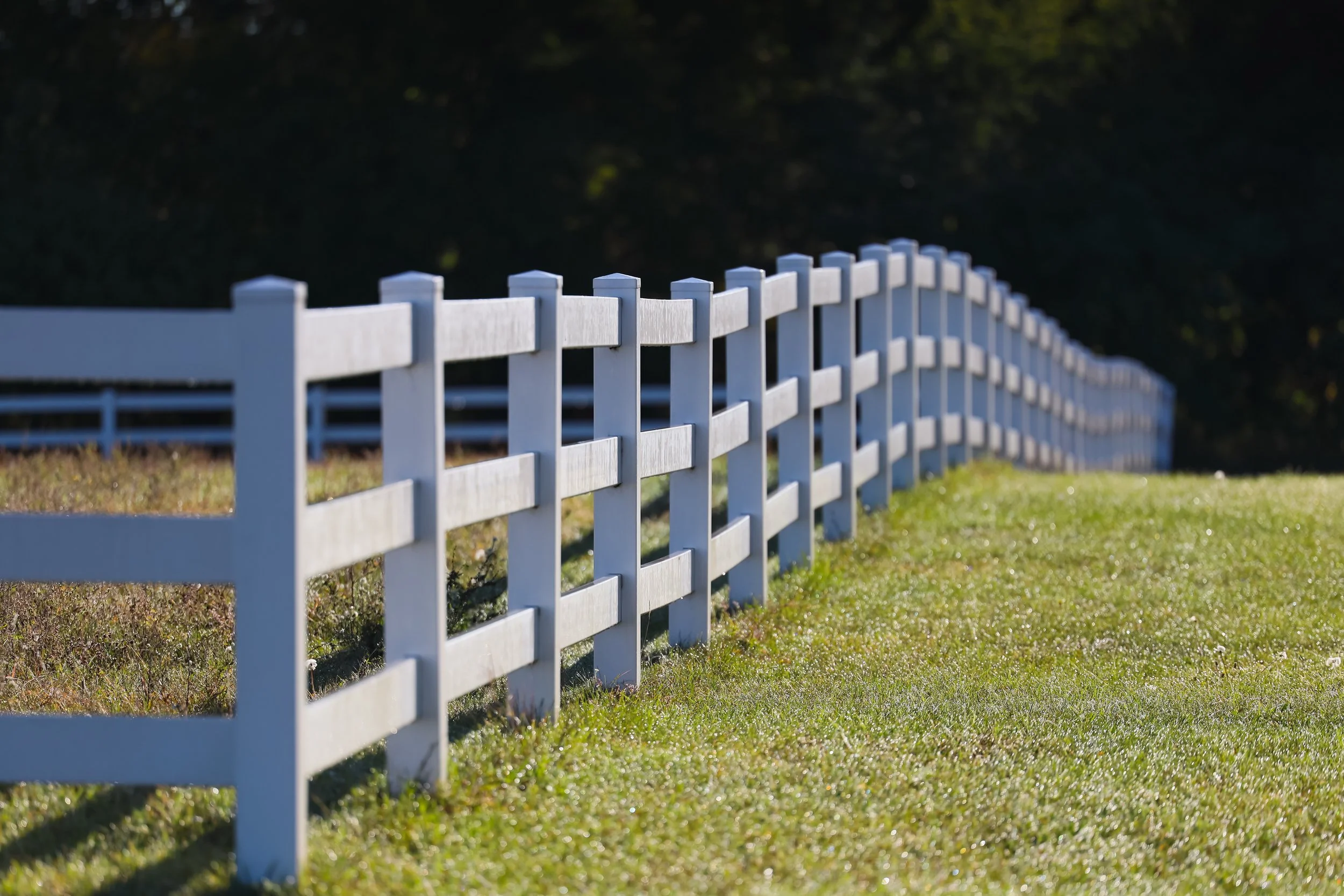
Building a new fence in western North Carolina is a process shaped by land, climate, growth, and regulation. Asheville, Hendersonville, Mills River, and the surrounding communities are not flat subdivisions where fencing can be installed with a template approach. Properties here vary widely in elevation, soil composition, drainage patterns, and lot layout. Those variables affect everything from post depth to material choice to long-term durability.
At the same time, the region has experienced steady residential growth. Homes are being built closer together, older properties are being renovated, and outdoor spaces are being used more intentionally. Fences now serve multiple purposes at once. They provide privacy, define property lines, improve safety, protect pets and children, and influence how a home looks and functions on a daily basis.
Many fencing problems in western North Carolina come from underestimating these conditions. Posts that are set too shallow, materials chosen without considering moisture exposure, and layouts that ignore slope all lead to fences that shift, lean, or deteriorate prematurely. A fence that looks fine at installation can become a long-term problem if it is not designed for this region.
This guide is designed to function as a complete resource for homeowners who want to understand the realities of fence construction in Asheville, Hendersonville, Mills River, and nearby areas. It explains how local conditions affect fence performance, how to choose materials and styles that make sense, what planning steps matter most, and how working with a regional contractor changes the outcome of a project.
I. Why Fence Construction In Western North Carolina Requires Local Knowledge
Fence construction in western North Carolina is directly influenced by geography and climate. A method that works well in flatter regions often fails here because it does not account for the stresses placed on fencing systems by slope, soil, and weather. Homeowners who do not account for these regional factors often experience fence movement, premature wear, and long-term maintenance issues that could have been avoided with proper planning.
Local experience matters because the challenges in this region are layered. Terrain, soil, and moisture all interact with each other. A fence that is engineered only for appearance but not for ground conditions or water management may look acceptable at first and then begin to show problems within a few seasons.
1. Sloped Properties And Uneven Grade
Many residential lots in Asheville and Hendersonville include noticeable grade changes, even when they appear subtle at first glance. These slopes affect how fence panels align, how gaps form beneath the fence, and how pressure is distributed across posts. Ignoring grade leads to fences that look uneven and function poorly, especially once the ground settles.
Sloped properties require careful planning before posts are ever set. Decisions must be made about whether the fence should follow the contour of the land or step down in sections. These decisions impact not only appearance but also strength and longevity.
Key slope-related considerations include:
Stepped vs racked panels: determines how the fence visually follows the land.
Post spacing adjustments: tighter spacing may be needed on steeper grades.
Ground clearance control: prevents gaps that compromise safety and appearance.
Drainage awareness: avoids water collecting along the fence line.
Proper fence construction on sloped land requires deliberate decisions about stepping versus racking, post spacing adjustments, and visual consistency across elevation changes. These decisions must be made based on the specific property rather than relying on standard panel layouts or prefabricated assumptions.
2. Soil Conditions That Affect Post Stability
Clay-heavy soil and rocky ground are common throughout western North Carolina. These soil types expand and contract with moisture and temperature changes, which directly impacts post stability. Posts that are not set deep enough or are improperly compacted are far more likely to move over time, particularly during seasonal transitions.
Rocky soil can also cause installers to shorten post depth if they are not prepared with the right equipment. That shortcut almost always leads to structural problems later. Proper post installation means adapting to soil conditions rather than fighting them or ignoring them.
Experienced fence builders adjust post depth, hole diameter, and setting methods based on soil conditions. This attention to ground behavior is one of the most important factors in long-term fence performance.
3. Rainfall, Humidity, And Seasonal Stress
Western North Carolina experiences consistent rainfall and high humidity, especially during spring and summer. Moisture affects wood fibers, metal fasteners, and concrete curing. Without proper drainage and spacing, moisture becomes trapped around posts and boards, accelerating deterioration.
Seasonal temperature changes add another layer of stress. Freeze and thaw cycles can shift soil and place pressure on posts. If water is allowed to collect around post bases, that movement becomes more pronounced.
A fence built for this climate must manage water intentionally. That includes drainage at the base of posts, airflow between boards, appropriate fasteners, and material treatments that resist long-term exposure.
II. Why Homeowners In Asheville And Hendersonville Choose To Build New Fences
Fences are built for different reasons depending on the property and the household. In this region, several motivations appear consistently across projects. Understanding these motivations helps guide design, layout, and material decisions so the fence actually solves the problem it was built for.
1. Privacy As Neighborhood Density Increases
As new neighborhoods develop and infill construction continues, homes are often built closer together than in older parts of the region. Privacy fencing allows homeowners to create defined outdoor spaces where they can relax, entertain, and spend time without constant visibility from neighboring properties.
Privacy concerns are especially common in backyard areas that include patios, decks, or outdoor kitchens. A fence that is poorly planned can block airflow, feel oppressive, or violate height regulations.
Effective privacy fencing balances height, layout, and appearance. A well-planned fence provides separation while still fitting the scale of the property and surrounding homes.
2. Safety For Children And Pets On Uneven Land
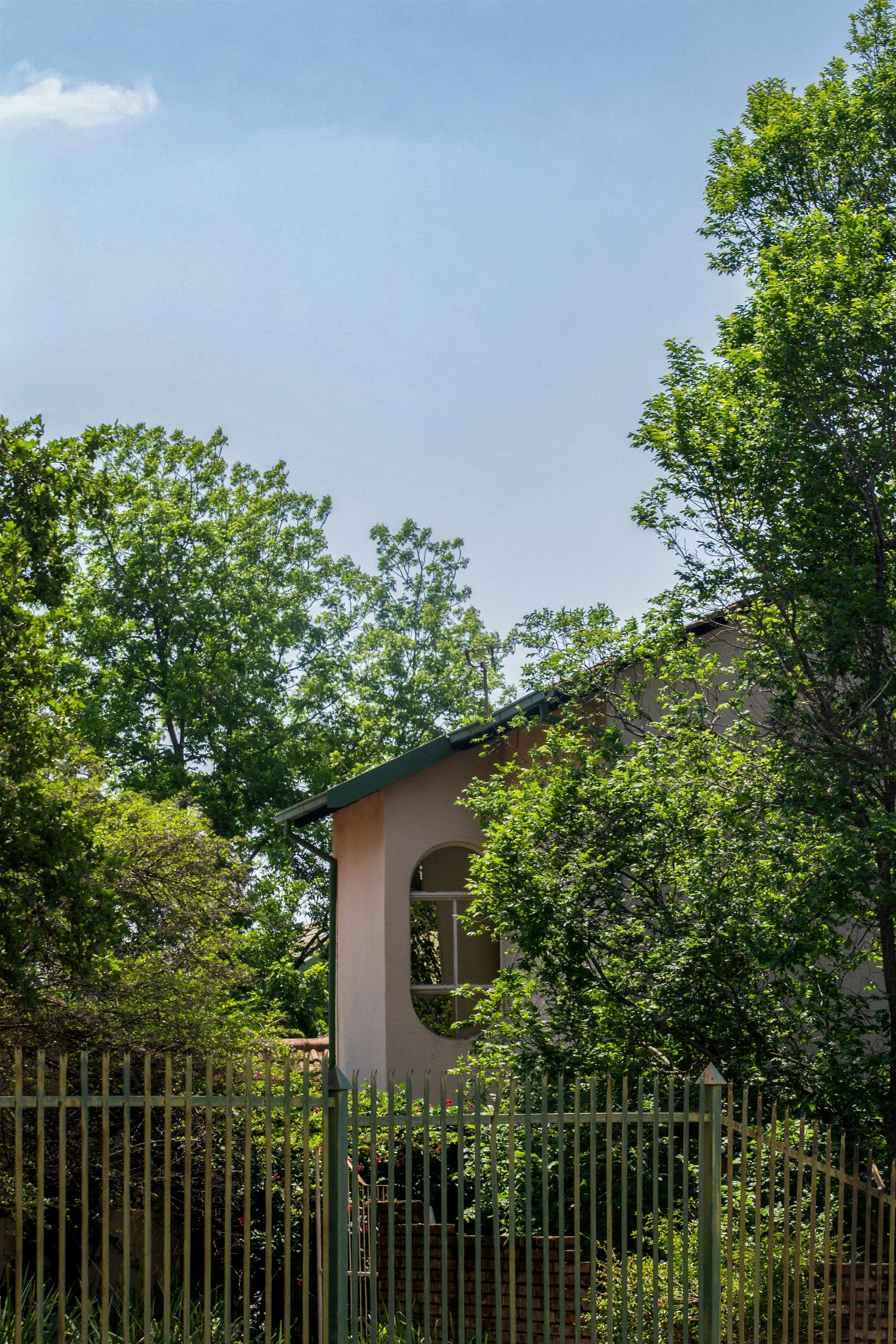
Many families rely on fencing to create safe outdoor areas for children and pets. On sloped or irregular lots, poor installation can leave gaps beneath panels or uneven transitions that compromise safety.
Gate placement, latch selection, and fence height all play roles in creating a secure enclosure. These details become more important on properties where grade changes make containment more challenging.
Planning for safety requires considering how the fence interacts with grade changes, gates, and daily use patterns. These details determine whether the fence truly serves its purpose.
3. Pool Safety And Risk Reduction
Pools are common in Hendersonville and nearby communities. Proper fencing helps reduce liability risk and supports safer use of the space. Pool fences must be planned carefully to control access while maintaining visibility.
Design decisions around gate swing, self-closing hardware, and fence placement directly affect usability and compliance. A poorly planned pool fence often becomes an obstacle rather than a safety feature.
4. Clear Property Line Definition
Clearly defined boundaries help prevent disputes and protect landscaping investments. Accurate layout and alignment are especially important on properties with irregular lot lines or shared boundaries.
In many cases, homeowners assume they know where property lines are until a fence installation brings discrepancies to light. Careful planning avoids these issues before construction begins.
III. Why It’s Important to Choose Fence Materials That Perform Well In Western North Carolina
Material selection plays a major role in how a fence looks, how much maintenance it requires, and how long it lasts in this environment. In western North Carolina, climate and terrain should drive material decisions just as much as aesthetics or budget.
Different materials respond differently to moisture, temperature changes, and ground movement. Choosing a material without understanding these factors often leads to higher long-term costs, even if the initial price seems attractive.
1. Wood Fencing In Mountain And Foothill Areas
Wood fencing remains popular throughout Asheville and Hendersonville because it fits naturally into wooded and residential landscapes. Cedar and pressure-treated pine are common choices, but the performance of wood fencing depends far more on installation quality than on species alone.
Wood is a living material that reacts to moisture and temperature. In humid conditions, boards expand and contract, and posts are constantly exposed to ground moisture. Proper spacing between boards allows airflow, which helps reduce trapped moisture and prolongs the life of the fence.
Important performance factors for wood fencing include:
Post depth and setting method: critical for resisting soil movement.
Board spacing: allows airflow and reduces moisture retention.
Fastener selection: helps prevent corrosion and staining.
Sealing or staining schedule: protects against moisture and UV exposure.
Post installation is especially important with wood fencing. Posts must be set deep enough to resist soil movement and should be isolated from standing water whenever possible. When wood fencing is installed with moisture management in mind, it can provide reliable performance while offering flexibility in height, style, and finish.
2. Vinyl Fencing For Consistent Appearance And Low Maintenance
Vinyl fencing is often chosen by homeowners who want a clean, uniform look with minimal ongoing maintenance. It does not rot, splinter, or attract insects, which makes it appealing in humid environments like western North Carolina.
However, vinyl fencing is less forgiving during installation. Panels must be aligned precisely, and allowances must be made for expansion and contraction during temperature changes. On sloped properties, improper installation can lead to visible stress points or warped sections.
When installed correctly, vinyl fencing performs well over time and maintains a consistent appearance. Poor installation, however, often leads to issues that are difficult to correct without replacing sections.
3. Aluminum And Metal Fence Options
Aluminum fencing is commonly used around pools, front yards, and areas where visibility is important. It handles moisture exposure well and resists corrosion when properly coated.
On uneven ground, aluminum fencing requires careful layout to maintain consistent spacing and alignment. Posts must be anchored securely to prevent movement, especially on slopes where soil shift is more likely.
Metal fencing offers long-term durability, but like all materials, its performance depends on thoughtful planning and proper installation.
IV. Why Some Fence Styles That Make Sense In Asheville And Hendersonville
Fence style affects how a property functions and how it feels to live in. In western North Carolina, the right style depends on land layout, neighborhood context, and how the fence will be used day to day.
Choosing a style without considering these factors often results in fences that feel out of place or fail to meet practical needs.
1. Privacy Fence Designs For Residential Properties
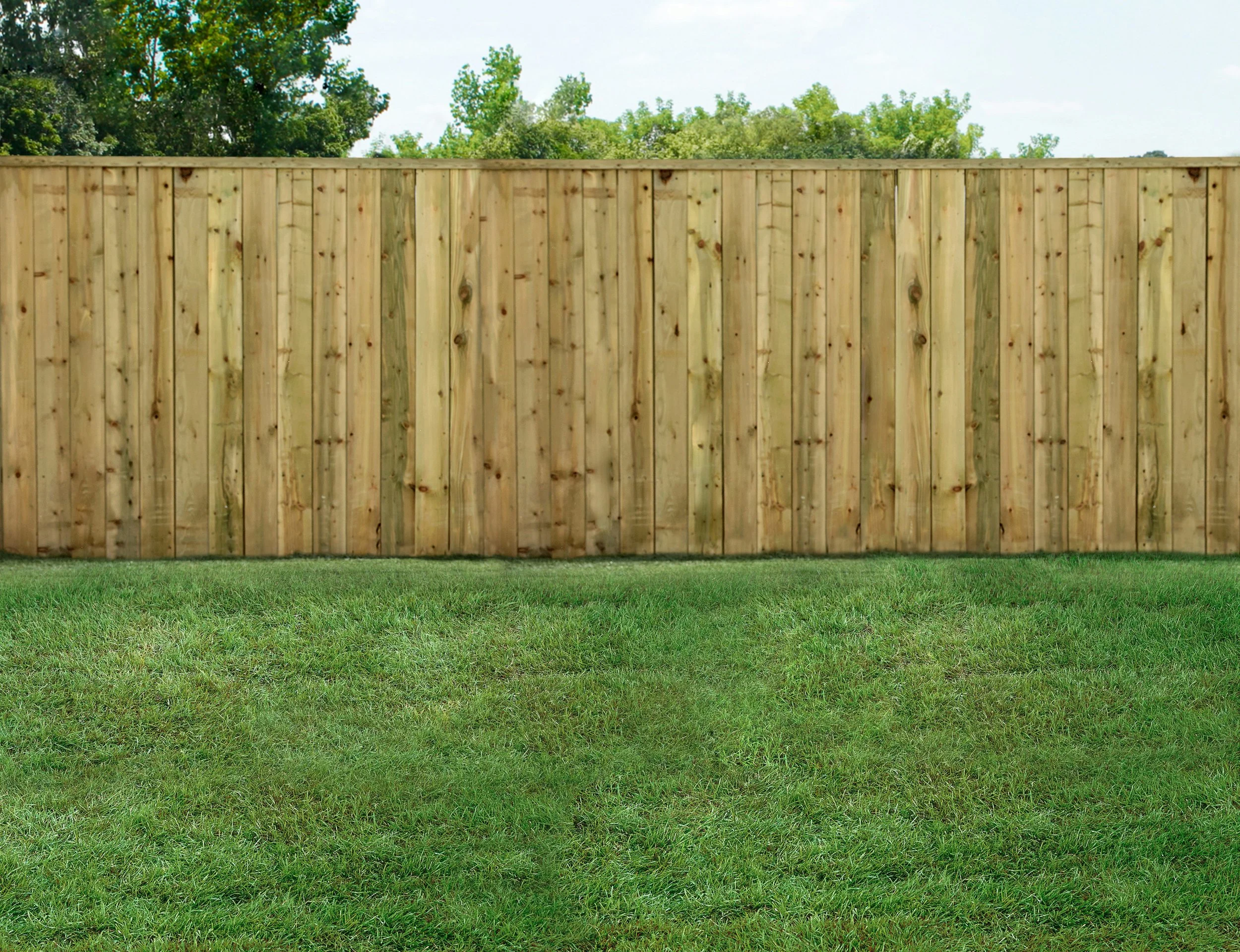
Privacy fences are frequently used in backyards and side yards throughout Asheville and Hendersonville. They are often installed around patios, decks, and outdoor living spaces where homeowners want separation from neighboring properties.
Design decisions such as board orientation, fence height, and post spacing influence airflow, durability, and visual weight. A privacy fence that is too tall or solid can trap moisture and feel imposing, while one that is thoughtfully designed provides coverage without overwhelming the space.
Material choice also matters. Wood privacy fences require ongoing maintenance, while vinyl options offer lower upkeep but require precise installation to perform well on sloped ground.
2. Picket And Decorative Fence Styles
Picket fences are commonly used in front yards and established neighborhoods where homeowners want boundary definition without blocking views. These fences contribute to curb appeal and often complement traditional home designs.
Proper spacing and height selection are critical. A picket fence that is too tall or tightly spaced can feel heavy, while one that is too low may not serve its intended purpose.
3. Perimeter And Rural Fence Styles
Split rail and similar perimeter fence styles work well on larger properties or areas transitioning from residential to rural use. These fences emphasize boundary definition rather than enclosure.
They are often used to mark property lines, manage access points, or complement open landscapes without creating visual barriers.
V. Why Site Preparation is Vital for Long-Term Fence Performance
Site preparation is one of the most important steps in fence construction and one of the most commonly overlooked. Proper preparation sets the foundation for post stability, alignment, and long-term durability.
Skipping or rushing this phase often leads to problems that cannot be corrected once the fence is installed.
Thorough site preparation typically includes:
Property line verification: confirms accurate fence placement.
Utility location: prevents damage and safety hazards.
Vegetation and root removal: ensures clean post holes.
Access planning: protects landscaping and structures.
Drainage evaluation: reduces erosion and post movement.
1. Confirming Property Boundaries Before Installation
Property lines should be verified before construction begins. Surveys, existing markers, and local records help prevent disputes and costly corrections after installation.
On irregular lots, assumptions about boundaries are often incorrect. Taking the time to confirm boundaries protects both the homeowner and the contractor.
2. Locating Underground Utilities Safely
Identifying underground utilities is essential for safety and compliance. Water lines, gas lines, electrical conduits, and communication cables may not be visible from the surface.
Utility location prevents service disruptions, injury, and project delays. This step should always be completed before digging begins.
3. Clearing Vegetation And Planning Access
Vegetation, roots, and debris must be cleared to allow accurate post placement. Roots left in post holes can interfere with concrete curing and lead to post movement.
Access planning also matters. Equipment paths should be planned to minimize damage to landscaping and existing structures.
4. Managing Drainage And Water Flow
Understanding how water moves across the property helps prevent erosion and moisture buildup around posts. Poor drainage accelerates rot and increases soil movement.
Proper drainage planning extends the life of the fence and reduces long-term maintenance needs.
VI. Why You Should Be Familiar With Fence Permits and Regulations in Western North Carolina
Fence regulations in western North Carolina vary by municipality, zoning district, and neighborhood. Understanding these rules before construction begins prevents delays, redesigns, and compliance issues.
Many homeowners underestimate how specific these requirements can be, especially when moving between jurisdictions.
1. City And County Fence Requirements
Asheville and Hendersonville have different regulations governing fence height, placement, and materials. Requirements often vary based on whether a fence is in a front yard, side yard, or backyard.
Zoning classifications can also influence allowable fence designs. Failing to account for these details can result in denied permits or required modifications.
2. HOA And Neighborhood Guidelines
Many neighborhoods have homeowners associations that require approval before fence installation. These guidelines may dictate materials, colors, styles, or fence heights.
Ignoring HOA requirements can lead to fines or mandatory removal, even if the fence meets city or county codes.
3. Avoiding Delays Through Proper Planning
Addressing regulatory requirements early helps prevent project delays and costly changes. Contractors familiar with local rules help streamline this process.
When fences and decks are planned together, elevations, materials, and access points align more naturally. This coordination improves function, visual consistency, and long-term performance across the entire outdoor space.
VII. Why Fence Installation Mistakes Can Create Long-Term Problems
Many long-term fencing issues stem from avoidable mistakes made during planning or installation. These mistakes often do not become obvious until months or years later.
Common fence installation problems in western North Carolina include:
Posts set too shallow for local soil conditions
Ignoring slope and grade changes
Poor drainage around post bases
Using materials not suited for humidity
Skipping required approvals
Understanding these common problems helps homeowners recognize why professional installation matters.
1. Posts Set Too Shallow
Shallow posts are one of the most common causes of leaning and shifting fences in western North Carolina. Clay-heavy soil and seasonal ground movement amplify this issue.
Proper post depth provides resistance against soil expansion, contraction, and water saturation.
2. Ignoring Grade And Drainage
Failing to account for slope and water movement leads to uneven fences and accelerated deterioration. Water pooling around posts increases rot and movement.
3. Choosing Materials Without Climate Consideration
Materials that perform well in dry climates may not hold up in humid, wet environments. Choosing materials without considering local conditions increases maintenance needs.
4. Skipping Permits Or HOA Approval
Unapproved fences can result in fines, forced modifications, or removal. These issues are far more expensive to address after installation.
VIII. Why Appalachian Fence and Deck is Trusted Among Western North Carolina Homeowners
Appalachian Fence and Deck approaches fence construction with a focus on local conditions and long-term performance. Each project begins with evaluating the property rather than applying a standard template.
Post placement, material selection, and layout are adjusted to suit the land, soil, and intended use. Clear communication throughout the process helps homeowners understand decisions and expectations.
This approach results in fences that fit the property, comply with local requirements, and perform reliably over time.
IX. Why Long-Term Fence Maintenance in Asheville and Hendersonville is Important
Maintenance expectations vary by material, but all fences benefit from regular inspection and care. Understanding maintenance needs helps homeowners plan for long-term ownership.
Neglecting maintenance often shortens the lifespan of even well-built fences.
1. Caring For Wood Fences
Wood fences require periodic sealing or staining to protect against moisture and sun exposure. Inspecting boards, posts, and fasteners helps identify issues early.
Addressing minor repairs promptly prevents larger structural problems.
2. Maintaining Vinyl And Metal Fences
Vinyl and metal fences require less maintenance but still benefit from routine cleaning and hardware checks. Dirt buildup and loose fasteners can affect appearance and function.
3. Monitoring Seasonal Ground Movement
Seasonal changes can affect alignment, especially on sloped properties. Monitoring movement allows for early adjustments that prevent larger repairs later.
X. Why You Should Start Planning Your New Fence in Western North Carolina with Appalachian Fence and Deck
Building a new fence is an investment in privacy, safety, and long-term property value. Homeowners in Asheville, Hendersonville, and Mills River benefit from understanding how local conditions affect fence performance before construction begins.
Working with a contractor who understands western North Carolina makes the process smoother and the results more reliable. Appalachian Fence and Deck brings regional knowledge and careful planning to every project, helping homeowners build fences that make sense for their land and their goals.
If you are planning a new fence in western North Carolina, starting the conversation early allows for proper evaluation and realistic timelines. A well-planned fence enhances how you use your property and supports its value for years to come.
We would love to talk to you about your new fence in Asheville, Hendersonville, and surrounding areas. Please reach out to us for more information about how we can help you today!