
Fence Building In Western North Carolina
Building a new fence in western North Carolina requires more than picking a style and hiring an installer. Asheville, Hendersonville, Mills River, and the surrounding areas present a combination of terrain, soil conditions, climate, and local regulations that directly affect how fences should be designed, built, and maintained. This page serves as a clear, ready-to-publish introduction to those realities and prepares homeowners for the deeper, more detailed guide that follows.
Fences in this region are exposed to sloped ground, clay-heavy and rocky soil, heavy rainfall, humidity, and seasonal temperature changes. These factors influence post depth, spacing, drainage, material choice, and long-term performance. Homeowners who understand these constraints early are far more likely to end up with a fence that stays straight, functions properly, and holds its value over time.
Western North Carolina has also experienced steady residential growth. Homes are often built closer together than in previous decades, and outdoor spaces are used more intentionally for privacy, recreation, and daily living. As a result, fences now serve multiple roles at once. They create separation between properties, provide safety for children and pets, support pool compliance, and shape how a property looks and feels.
This introduction summarizes the core topics covered in the full guide and helps homeowners understand what matters most before starting a fence project.
What Makes Fence Building In Asheville And Hendersonville Different
Fence construction in this region cannot be approached with generic assumptions. Properties rarely offer perfectly flat ground, and soil conditions vary significantly even within the same neighborhood. These variables affect nearly every aspect of fence installation and long-term performance.
Terrain, Soil, And Moisture Challenges
Western North Carolina fencing is shaped by three core realities: terrain, soil, and moisture. Elevation changes require deliberate decisions about how a fence follows the land. Slopes influence whether a fence should be stepped or racked, how posts are spaced, and how ground clearance is handled. Poor slope planning often leads to visible gaps, uneven panels, and long-term structural stress.
Soil composition is equally important. Clay-heavy soil expands and contracts with moisture, while rocky ground can limit post depth if not handled correctly. Posts that are set too shallow or improperly supported are far more likely to shift over time, especially during seasonal transitions.
Moisture is a constant consideration. Frequent rainfall and high humidity place ongoing stress on wood, metal fasteners, and concrete. Fences that do not manage water through proper drainage, spacing, and material treatment tend to deteriorate faster than expected.
Common Reasons Homeowners Build Fences In Western North Carolina
Most fence projects in Asheville, Hendersonville, and Mills River are driven by practical needs rather than purely aesthetic ones. Understanding these goals helps shape better design and material decisions.
The Most Common Fence Goals In This Region
Homeowners typically build fences in western North Carolina for several overlapping reasons:
Privacy: creating separation as neighborhoods become denser and homes sit closer together
Safety: securing yards for children and pets on uneven terrain
Pool protection: controlling access and reducing liability
Property boundaries: clearly defining lot lines and protecting landscaping
Outdoor living: supporting patios, decks, and backyard gathering spaces
These goals influence fence height, layout, gate placement, and material choice. A fence designed only for appearance often fails to meet these functional needs.
Privacy has become a primary motivation as homes are built closer together and outdoor spaces are used more intentionally. Homeowners rely on fencing to define backyard space, reduce visual exposure, and create areas for relaxing or entertaining.
Safety is another major driver. Families depend on fencing to create secure areas for children and pets, particularly on uneven terrain where gaps and grade changes can create risks if not handled properly.
Pool safety also plays a role in many projects, especially in Hendersonville and the surrounding communities. Fencing helps control access, reduce liability, and support safer use of pool areas.
Clearly defining property boundaries helps prevent disputes and protects landscaping investments, especially on irregular lots or shared boundaries.
Fence Materials And Styles Used In The Region
Material choice plays a major role in how a fence performs over time. In western North Carolina, climate and ground conditions often matter more than initial cost.
Wood fencing remains popular because it fits naturally into mountain and residential landscapes and offers design flexibility. Its performance depends heavily on proper installation, post depth, drainage, and ongoing maintenance.
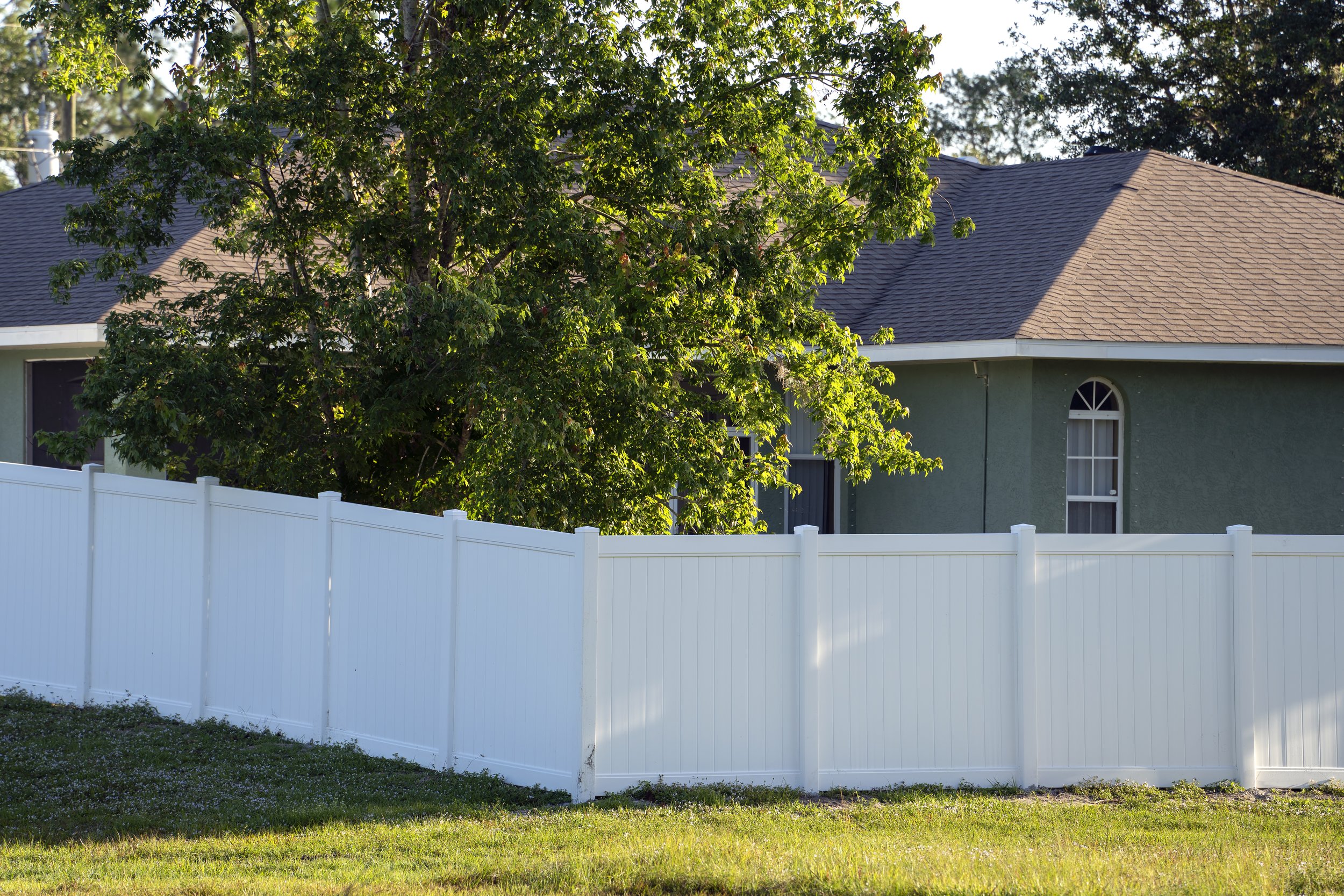
Vinyl fencing is often chosen for lower maintenance and a consistent appearance. It performs well in humid environments when installed correctly, but requires precision, especially on sloped properties.
Aluminum fencing is commonly used for pool areas and front yards where visibility matters. It resists corrosion and handles moisture well when anchored properly.
Fence style selection matters just as much as material. Privacy fences, picket fences, and perimeter-style fences each serve different purposes depending on how the property is used and the surrounding neighborhood.
Planning And Preparation Before Fence Installation
Successful fence projects begin with careful planning. Skipping early steps often leads to costly corrections later.
Key Planning Steps Before Construction Begins
Before installation starts, homeowners should account for several critical factors:
Confirming property lines: to avoid disputes and rework
Locating underground utilities: for safety and compliance
Evaluating slope and drainage: to prevent erosion and post movement
Reviewing zoning and HOA rules: to avoid permit issues
Taking the time to address these items early sets the foundation for long-term performance and smoother installation.
Local zoning rules and HOA guidelines also need to be reviewed early in the process. Addressing these requirements before construction begins helps avoid delays and unexpected changes.
Local Regulations And Approval Requirements
Fence regulations vary between Asheville, Hendersonville, and surrounding areas. Zoning rules often dictate fence height, placement, and materials, while many neighborhoods have additional HOA requirements.
Municipal requirements can vary based on fence location and zoning district, and HOA guidelines may impose additional design or material restrictions. Working with professionals familiar with local rules helps streamline approvals and prevent costly changes.
How This Guide Helps Homeowners Move Forward
Our guide expands on topics such as materials, styles, site preparation, regulations, common mistakes, maintenance expectations, and regional best practices.
Starting with this overview helps homeowners ask better questions, set realistic expectations, and approach fence projects with confidence. A well-planned fence does more than mark a boundary. It supports how a property is used, protects what matters, and adds lasting value when it is built with the region in mind.
If you’re ready to build a new fence, reach out to us today!