
Fence Repair or Fence Replacement In Western North Carolina: How To Know What Your Property Needs
Should you repair your fence, replace part of it, or start over with a new fence installation? That is what we will answer in this comprehensive guide.
Should I Repair or Replace My Fence?
That is why the question is not always simple. Should you repair your fence, replace part of it, or start over with a new fence installation? The answer depends on the material, the damage, the age of the fence, the condition of the posts, the way the fence was installed, and what you need the fence to do now.
A fence can shape the way you use your whole property. It can give your backyard more privacy, make your outdoor space safer for children and pets, help define your property lines, protect a pool area, frame a garden, or make the front of your home feel more finished. When it is straight, solid, and properly built, you may not think about it much. When it starts leaning, sagging, rotting, cracking, or pulling apart, it becomes hard to ignore.
For homeowners in Western North Carolina, fence problems often come from more than age alone. A fence in Asheville may deal with shade, sloped lots, and tight neighborhood layouts. A fence in Hendersonville may have to account for water movement, established landscaping, and changing backyard uses. In Mills River and Fletcher, larger lots, open yards, and drainage patterns can create a different set of concerns. In Brevard, Canton, and Flat Rock, wooded edges, mountain weather, and mature trees can put extra stress on posts, gates, rails, and panels.
Sometimes a targeted fence repair is the smartest move. One leaning post, one damaged panel, one sagging gate, or one storm-damaged section may not mean the entire fence has reached the end of its life. In other cases, repair only delays a bigger problem. If multiple sections are leaning, the posts are rotting, the gates keep failing, or the fence no longer fits your yard, full fence replacement may save money and frustration over time.
Appalachian Fence and Deck helps homeowners make that decision with practical guidance, local experience, and fence work built for the conditions we see across Western North Carolina. Whether the problem is a wood privacy fence that has started to rot, a vinyl fence with a cracked panel, an aluminum pool fence with a gate issue, or a storm-damaged fence line near a wooded property, the goal is the same: choose the solution that gives your property the best long-term result.
In this guide, you will find information about:
How To Determine Whether You Need to Repair or Replace Your Fence In Western North Carolina
Why Fences In Western North Carolina Wear Out Differently
Signs Your Fence Can Probably Be Repaired
Signs Your Fence May Need Replacement
Fence Repair By Material Type In Western North Carolina
Fence Gate Repair: Why Gates Often Fail First
Storm-Damaged Fence Repair In Western North Carolina
Repairing A Fence Before Selling A Home
When Fence Replacement Gives You A Better Yard
How Appalachian Fence And Deck Helps You Make The Right Decision
I. How To Determine Whether You Need to Repair or Replace Your Fence In Western North Carolina
Fence repair is usually best when the damage is limited, and the rest of the fence is still structurally sound. Replacement is usually better when the fence is failing across multiple sections, the materials are worn out, or the original layout no longer works for the property.
In Western North Carolina, that decision deserves extra attention because fences are affected by the land around them. A fence line may run across a slope, follow an uneven property boundary, sit near a wooded edge, or cross an area where water drains after every storm. A privacy fence in Asheville may fail for different reasons than a backyard fence in Mills River. A gate in Fletcher may drag because of grade, while a fence in Flat Rock may be affected by roots, shade, or shifting soil near mature landscaping.
A good decision starts with understanding the difference between surface damage and structural failure. A broken board is a surface problem if the rest of the fence is stable. A broken board may be a symptom of structural failure if the rails behind it are soft, the posts are leaning, and several nearby sections are moving at the same time.
Fence Repair Is Usually About Saving What Still Works
Fence repair makes sense when the main structure is still strong. If a fence is mostly straight, the posts are solid, and the damage is limited to a specific area, repair may extend the life of the fence without the cost of full replacement.
Common repair situations include:
A Damaged Gate: Hinges, latches, bracing, or gate posts may need adjustment or replacement.
A Few Broken Boards: Wood pickets or rails can often be replaced when the surrounding fence is still strong.
One Leaning Post: A single post may be reset or replaced if nearby sections are stable.
Localized Storm Damage: A fallen limb may damage one section without ruining the whole fence.
Loose Hardware: Fasteners, hinges, brackets, and latches can often be repaired or replaced.
A repair should still be done with the bigger picture in mind. If a gate is sagging, the latch may not be the only issue. If a post is leaning, the soil around it may be part of the problem. If a wood board has rotted, nearby boards and rails should be checked before assuming the damage is isolated.
Fence Replacement Is About Solving A Bigger Problem
Fence replacement becomes the better choice when the old fence has too many weak points. If repairs would only address one visible problem while the rest of the fence continues to decline, replacement may be more cost-effective.
Replacement may also be the right choice when the fence no longer meets your needs. Maybe you need more privacy than the old fence provides. Maybe you adopted a dog and need better pet containment. Maybe your pool area needs a more reliable enclosure. Maybe the fence was installed before you added a deck, patio, garden, or outdoor living area.
A new fence allows you to fix layout issues, improve material choices, rethink gates, and build something that fits the way your property is used now. For many homeowners, replacement is not just a response to damage. It is a chance to make the yard work better.
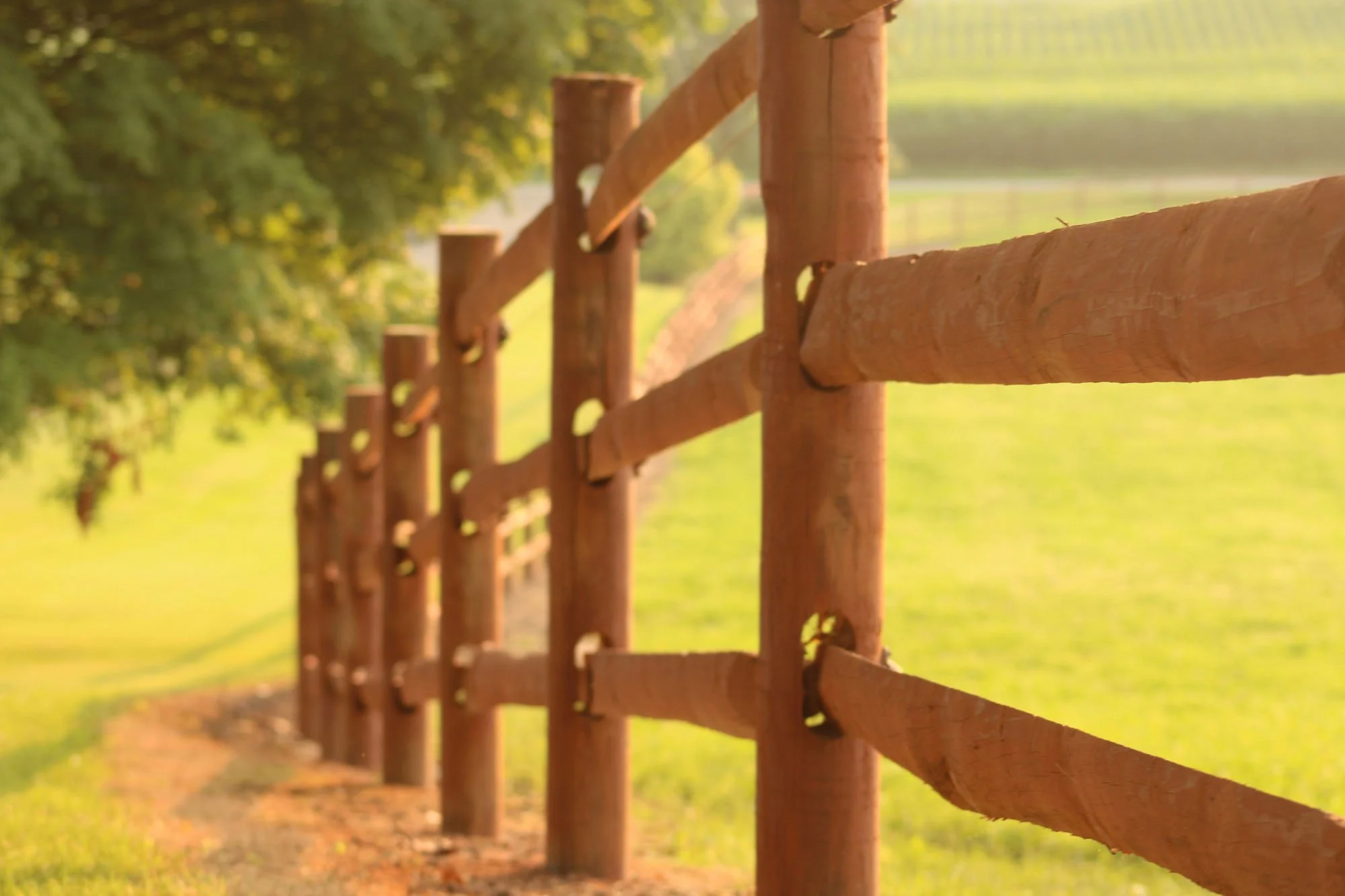
A fence built for this climate must manage water intentionally. That includes drainage at the base of posts, airflow between boards, appropriate fasteners, and material treatments that resist long-term exposure.
II. Why Fences In Western North Carolina Wear Out Differently
In Western North Carolina, the same local conditions that make properties beautiful can also make fence installation and fence repair more complicated. Slopes, shade, water movement, wooded lots, and mountain weather all play a role.
A fence contractor who understands these conditions can do more than replace broken parts. They can identify why the problem happened and whether a repair is likely to hold up. That matters whether the fence is in a compact Asheville neighborhood, a larger Mills River yard, a wooded Brevard property, or a home near the established residential areas around Hendersonville and Flat Rock.
1. Sloped Yards Put Pressure On Fence Lines
Many Western North Carolina yards are not flat. Fence lines may climb, drop, turn, or follow uneven ground. That affects the way posts are set, how panels are aligned, and where gates can function properly.
A fence built on a slope may use a stepped layout, where panels move up or down in sections. Some fence styles can work with the slope, meaning the fence follows the grade more closely. If the wrong approach is used, the fence may look awkward, leave gaps under sections, or place too much stress on posts and rails.
Sloped yards can also make gates more difficult. A gate needs room to swing without dragging the ground. If it is installed in the wrong spot, it may become a constant problem. This shows up often on properties where the driveway, side yard, and backyard sit at different elevations.
2. Heavy Rain And Drainage Can Weaken Posts
Western North Carolina gets plenty of rain, and that water has to go somewhere. If runoff crosses a fence line, collects around posts, or erodes soil near the base of the fence, the structure can weaken over time.
This is especially important in areas where homes have a mix of open lawn, driveways, wooded edges, and drainage dips. A fence post that stays wet after every storm may shift, rot, or lose support faster than posts in drier locations.
Water-related fence issues may include:
Soft Soil Around Posts: Saturated ground can allow posts to shift.
Rot At The Base Of Wood Posts: Moisture trapped near the ground can speed up deterioration.
Erosion Along The Fence Line: Soil movement can expose posts or create gaps under the fence.
Gate Misalignment: If the post moves, the gate may stop closing correctly.
3. Trees Can Damage Fences Slowly Or Suddenly
Trees are part of many Western North Carolina properties. They provide shade, privacy, and character, but they also create fence problems. Roots may push against posts. Branches may fall during storms. Leaves and debris can trap moisture against wood. Shade can keep fence materials damp longer after rainfall.
This is a common issue on wooded lots around Brevard and Canton, but it can also affect established neighborhoods in Asheville, Hendersonville, and Flat Rock. A fence may age faster in shaded areas than it does in open sun. A fence section near trees may need different repair considerations than a section running through an open yard.
Tree-related fence damage can include crushed panels, bent rails, leaning posts, broken pickets, and gate movement. Sometimes the tree causes obvious storm damage. Other times, the damage develops slowly through shade, root pressure, and constant moisture.
4. Humidity And Seasonal Change Affect Materials
Humidity and temperature swings can affect every major fence material. Wood expands and contracts. Hardware can rust. Gates can shift. Fasteners can loosen. Vinyl can be damaged by impact. Aluminum can bend under force. Chain link fabric can stretch or pull loose.
A fence is a system made of posts, rails, panels, pickets, gates, fasteners, and hardware. When one part moves, weakens, or fails, it can affect everything around it.
That is why a good fence inspection matters before choosing repair or replacement. Replacing the broken piece may fix the symptom. Understanding why the piece failed helps prevent the same problem from coming back.
5. Older Installation Choices May Not Fit Today’s Property Needs
Some fences were built years ago for a different version of the property. The home may have changed owners. The yard may have a new deck, patio, pool, garden, shed, or driveway access point. The family may have pets now. Neighbors may have added structures or cleared trees. A road may feel busier than it used to.
In those cases, the fence may not be failing only because of age. It may also be failing because it no longer fits the way the property is used. Repair can keep an old fence standing, but replacement may create a better layout, more privacy, stronger gates, and a more useful outdoor space.
III. Signs Your Fence Can Probably Be Repaired
A damaged fence does not always need to be replaced. Many fences can be repaired when the problems are isolated, and the main structure is still sound. The key is knowing whether the fence has a few bad parts or a larger pattern of failure.
For a homeowner in Hendersonville, a repair may mean straightening a gate and replacing a few rails. For a homeowner in Asheville, it may mean fixing a section damaged by a fallen limb. For a property in Fletcher or Mills River, it may mean addressing one post that shifted after repeated rain. The specifics change, but the principle stays the same: repair works best when most of the fence still works.
1. The Damage Is Limited To One Area
If one section was hit by a falling branch, bumped by equipment, or damaged during a storm, repair may be enough. This is especially true when the posts on both sides of the damaged area are still solid, and the surrounding sections are straight.
A localized repair may include replacing a panel, rebuilding a short run, repairing rails, replacing pickets, or fixing hardware. This type of repair is common when the fence has done its job for years, and one event caused a specific failure.
The important question is whether the damage stopped at that section. If the neighboring sections are also leaning, soft, loose, or out of alignment, the repair may need to be more involved.
2. Most Of The Fence Is Still Straight And Stable
Walk along the fence line and look at the overall shape. If most of the fence is straight, firm, and aligned, the damage may be limited. A fence that still holds its shape usually has enough structural life left to justify repair.
A fence that waves, leans, bows, or shifts across long sections may be closer to replacement. Long runs of movement usually point to post issues, soil movement, poor installation, or age-related failure.
A stable fence is usually worth investigating before assuming replacement is necessary. A few repairs can sometimes add years of useful life when the main structure is still sound.
3. The Posts Are Still Strong
Posts are the most important part of many fence systems. If the posts are still solid, many other components can often be repaired. Rails, panels, pickets, gates, and hardware can usually be replaced more easily than a failing post system.
If the posts are rotting, loose, cracked, shallow, or moving in the ground, the decision becomes more serious. A fence with bad posts may look repairable at first, but the repaired pieces still need something strong to attach to.
Signs that posts may still be serviceable include:
They Do Not Move Easily: A solid post should not rock back and forth with light pressure.
They Remain Plumb: Posts should not lean noticeably out of alignment.
They Do Not Show Major Rot: Wood posts should not be soft or crumbling near the ground.
They Still Hold Rails Firmly: Rails should not be pulling away because the post material is weak.
They Support Gate Hardware: Gate posts should hold hinges and latches without twisting or pulling loose.
4. The Gate Problem Is Mechanical
A gate that does not close correctly may need new hinges, a new latch, adjustment, bracing, or hardware replacement. If the gate post is still solid and the gate frame is not badly warped, repair may solve the problem.
Gate repair becomes harder when the post is leaning, the gate is too heavy, or the opening was poorly designed from the beginning. A gate on a sloped side yard in Fletcher may need a different repair approach than a backyard gate in Flat Rock or a pool gate in Hendersonville.
When the problem is mechanical, repair may be practical. When the problem is structural, the gate opening may need to be rebuilt.
5. The Fence Still Does What You Need It To Do
If the fence still gives you privacy, pet containment, child safety, pool protection, or property definition, repair may be enough. But if your needs have changed, replacement may be worth considering even if repair is technically possible.
For example, a homeowner may have an older decorative fence that no longer works after getting a dog. Another homeowner may have a privacy fence that is structurally repairable but too short to block new sightlines. A family may have added a pool and now needs a more intentional fence layout around that space.
Repair makes the most sense when the existing fence still matches the purpose of the yard.
IV. Signs Your Fence May Need Replacement
Fence replacement is not always the more expensive decision in the long run. If a fence is failing in several places, repeated repairs can add up quickly. Replacement may also allow you to correct old problems instead of rebuilding them one piece at a time.
A homeowner in Canton may deal with storm damage and aging wood at the same time. A homeowner in Brevard may have a shaded fence line that has rotted faster than expected. A homeowner in Hendersonville or Flat Rock may have an older fence that no longer fits the property after years of landscape changes. In those cases, replacement may offer more value than patchwork.
1. Multiple Sections Are Leaning
One leaning post may be repairable. Several leaning sections usually point to a larger issue. The posts may be failing, the soil may be moving, or the original installation may not have been strong enough for the property.
When a long section of fence leans, replacement may be the better option because repairing one post at a time does not always solve the structural problem. If the entire line has shifted, the fence may need to be rebuilt with better post support and a layout that fits the grade.
This is especially important where the fence follows a slope, crosses a low area, or runs along ground that holds water after rain.
2. The Fence Has Widespread Rot
Wood fence repair makes sense when rot is limited. But when posts, rails, and pickets are all soft or deteriorating, replacement is usually more practical.
Widespread rot often shows up as:
Soft Wood Near The Ground: Posts or boards feel weak where they meet the soil.
Rails Pulling Away: Horizontal support pieces loosen because the wood around them is failing.
Splitting and Cracking: Boards show deep cracks, especially around fasteners.
Loose Pickets: Pickets move easily because the rails behind them are weak.
Repeated Breakage: New problems appear soon after old ones are repaired.
Rot is not just a cosmetic issue. Once the structural pieces lose strength, the fence cannot do its job reliably. Replacing several rotted parts may still leave you with an old fence built around other weakened components.
3. Gates Keep Failing
A gate that has been repaired several times but still drags, sags, or refuses to latch may need more than another adjustment. The gate post may be shifting. The opening may be too wide. The hardware may be undersized. The slope may be working against the gate.
In many cases, replacing the gate and rebuilding the gate opening can solve the problem better than another minor repair. A gate should be strong enough for daily use, supported by posts that can carry the weight, and placed where it can swing properly.
Repeated gate problems are often a sign that the original design was not strong enough for the way the gate is being used.
4. The Fence No Longer Fits The Yard
A fence can be structurally worn out, but it can also be functionally outdated. Your yard may have changed since the fence was installed.
Maybe you added a deck. Maybe you changed landscaping. Maybe you need more privacy from a nearby road. Maybe your family needs a safer pet area. Maybe your old fence blocks access where you now need a gate.
Replacement gives you a chance to redesign the fence around the property you have today. That can mean changing the height, material, gate placement, layout, or purpose of the fence.
5. Repair Costs Are Getting Too Close To Replacement Costs
At some point, repeated repairs stop making financial sense. If the fence needs several posts, multiple gate repairs, new rails, replacement pickets, hardware work, and storm damage repair, the total cost may approach the cost of a new fence.
That does not mean replacement is always required. It does mean the decision should be made carefully. The question is not only what the repair costs are today. The question is what the fence is likely to need next year, and whether the repaired fence will still serve the property well.
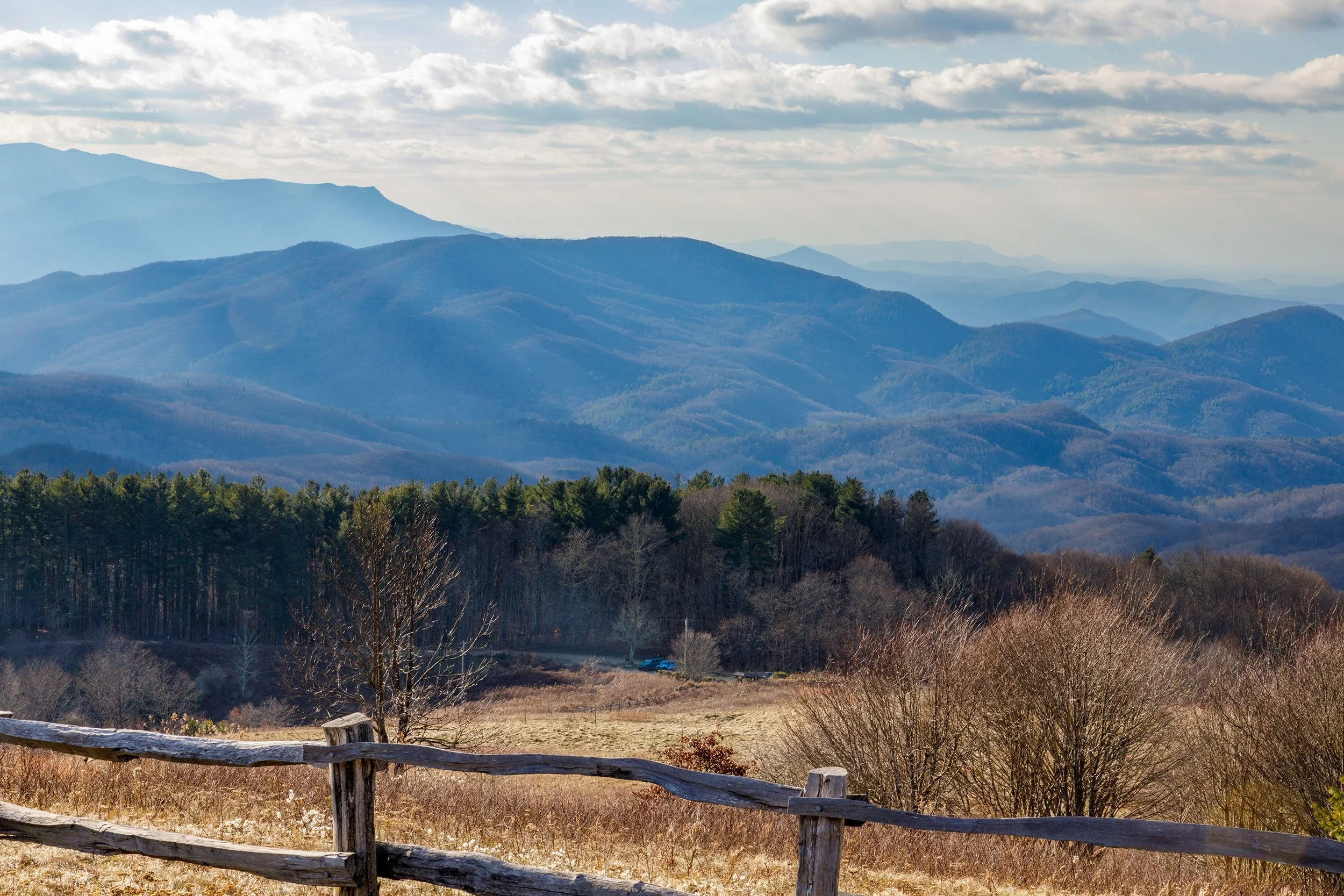
Site preparation is one of the most important steps in fence construction and one of the most commonly overlooked. Proper preparation sets the foundation for long-term durability.
V. Fence Repair By Material Type In Western North Carolina
Different fence materials fail in different ways. A good repair plan depends on the type of fence, how it was installed, and what kind of damage it has.
Wood, vinyl, aluminum, and chain link can all be repaired in the right circumstances. They can also all reach a point where replacement is the smarter call. The material does not make the decision by itself. The condition of the posts, gates, panels, and layout matters just as much.
1. Wood Fence Repair In Western North Carolina
Wood fencing is one of the most common choices for privacy fences and backyard fencing. It has a natural look that fits many Western North Carolina properties, especially wooded lots and homes with traditional outdoor spaces.
Wood fence repair may include replacing boards, rails, posts, caps, trim pieces, or gate components. The main question is whether the wood around the damaged area is still strong enough to hold the repair.
Wood fences often need attention because of:
Moisture: Rain, humidity, and shade can speed up rot.
Sun Exposure: Sun can dry, crack, and weather boards.
Ground Contact: Wood near soil can break down faster.
Insects: Damaged or untreated wood may become vulnerable.
Age: Older fences naturally lose strength over time.
A wood fence in Asheville may need repair after years of shade and moisture. A fence near Brevard may show storm damage from falling limbs. Around Hendersonville, a wood fence may need post repair because water has collected near the base.
2. Vinyl Fence Repair For Low-Maintenance Properties
Vinyl fencing is popular because it offers a clean appearance and requires less routine maintenance than wood. It does not rot, and it does not need staining or sealing. However, vinyl fences can still be damaged.
Common vinyl fence issues include cracked panels, loose sections, post movement, broken caps, gate alignment problems, and impact damage.
Vinyl fence repair in communities like Mills River and Fletcher often comes down to alignment. If a panel is broken but the posts are stable, repair may be straightforward. If the posts have shifted, the repair needs to address the support system, or the same issue may come back.
Vinyl can be a strong replacement option for homeowners who want privacy without the same maintenance schedule as wood.
3. Aluminum Fence Repair For Pools, Front Yards, And Slopes
Aluminum fencing is often used around pools, front yards, driveways, and properties where homeowners want security or boundary definition without blocking the view. It can also work well on sloped yards when installed correctly.
Aluminum fence repair may involve damaged sections, loose posts, bent pickets, gate hardware, or alignment problems. Because aluminum does not rot, repair may be a good option when the damage is isolated.
However, if multiple sections are bent or the posts have moved across a long run, replacement may be the better decision. Around pool areas, gate function and fence stability are especially important. A damaged pool fence should be evaluated carefully rather than patched in a way that leaves the enclosure unreliable.
4. Chain Link Fence Repair For Pets, Utility Areas, And Larger Yards
Chain link fencing is a practical choice for pets, utility areas, larger yards, and some commercial properties. It is often chosen for function rather than decorative appearance.
Common chain link repairs include tightening fabric, replacing top rail, repairing gates, resetting posts, fixing tension wire, and replacing damaged fittings.
Chain link repair can be effective when the frame is still sound. If the posts are bent, loose, or failing across the fence line, replacement may be more practical. In some cases, homeowners use replacement as a chance to move from a chain link fence to a privacy fence, vinyl fence, or aluminum fence that better fits the property.
VI. Fence Gate Repair: Why Gates Often Fail First
Gates work harder than the rest of the fence. A fence panel stays in place. A gate moves every time someone enters or exits the yard. That repeated use puts stress on hinges, latches, posts, frames, and fasteners.
Gate repair is one of the most common fence repair needs in Western North Carolina. A backyard gate in Asheville, a side-yard gate in Fletcher, a pool gate in Hendersonville, and a driveway access gate in Mills River may all fail for different reasons, but the frustration is usually the same.
1. Gate Posts Carry Extra Stress
A gate post supports moving weight. If that post is weak, shallow, rotting, or shifting, the gate will eventually sag. Replacing a latch will not solve a gate problem if the post is the real issue.
This is why Appalachian Fence and Deck looks at the gate post, not only the gate hardware. A gate post needs to be strong enough to support the gate and resist movement over time.
2. Sloped Ground Can Make Gates Harder To Use
Western North Carolina yards often have grade changes. A gate installed on sloped ground may drag, swing too quickly, leave a large gap, or fail to latch cleanly.
A good gate should be placed where it can function properly. If the gate location is working against the terrain, repair may help temporarily, but redesign may be better. This is one of the reasons gate placement should be discussed carefully during fence replacement.
3. Hardware Problems Are Common
Gate hardware takes daily abuse. Hinges loosen. Latches rust. Screws back out. Brackets bend. If the frame and posts are strong, hardware replacement may be enough.
Common signs of gate hardware problems include:
The Gate Will Not Latch: The latch and catch no longer meet correctly.
The Gate Drags: The gate touches the ground when opened or closed.
The Gate Swings Open: The latch does not hold, or the post is out of alignment.
The Hinges Are Loose: Fasteners are pulling away from the post or frame.
The Gate Feels Heavy or Unstable: The frame may need reinforcement.
4. Poor Gate Design Can Cause Repeated Repairs
Some gates are too wide, too heavy, or poorly braced. This is especially common with wood privacy gates. If a gate is not built with enough support, it may keep sagging no matter how many times it is adjusted.
In that case, rebuilding the gate may be smarter than repairing the same weak design again. A better gate design may include improved bracing, stronger hardware, a more practical width, or a different location.
VII. Storm-Damaged Fence Repair In Western North Carolina
Storms can damage fences quickly, especially on wooded or sloped properties. Heavy rain, wind, falling limbs, and saturated soil can all create fence problems.
Storm-damaged fence repair should begin with a careful look at the full fence line. The most obvious damage may not be the only issue. A limb may crush one section while loosening the posts nearby. Wind may push over a weak section that was already near failure. Rain may soften soil enough to shift a fence line that had been stable for years.
1. Fallen Limbs Can Damage More Than One Section
A limb may crush one panel, but the impact can also pull nearby rails, loosen posts, or knock a gate out of alignment. Repairing only the visible break may leave hidden damage behind.
This is common on wooded properties around Brevard and Canton, but it can happen anywhere trees grow close to the fence line. After limb damage, it is important to check the nearby sections instead of assuming the broken panel is the only problem.
2. Wind Can Expose Weak Posts
Wind may not damage a strong fence, but it can reveal weak areas. If posts are rotting, shallow, loose, or poorly set, a storm can push the fence out of line.
After a wind event, a fence may need more than a panel replacement. The posts and surrounding sections should be checked carefully. If several posts moved during the storm, replacement may be more sensible than repairing one section at a time.
3. Saturated Soil Can Shift The Fence Line
Heavy rain can soften the soil around fence posts. If runoff keeps moving through the same area, the fence may lean, posts may loosen, and gaps may open under the fence.
This matters for properties where yard drainage varies significantly from one section to another. A fence may be stable on high ground but weak in a low area where water collects.
4. Damaged Pool Fences Need Quick Attention
If a storm damages a pool fence, it should be addressed quickly. A pool fence needs reliable gates, latches, and barriers. A temporary fix may not be enough if the gate does not close correctly or the fence has open gaps.
Pool fence repair should focus on safety, code awareness, and long-term function. If the fence has several damaged sections, replacement may be the better way to restore a reliable enclosure.
VIII. Repairing A Fence Before Selling A Home
A fence can affect how buyers see a property. A straight, clean, functional fence can make a yard feel more usable and better maintained. A damaged fence can raise concerns before a buyer ever gets inside the home.
For homeowners preparing to sell, fence repair may be a smart pre-listing improvement. This can be especially true in areas where outdoor space is a major part of the property’s appeal. A fenced yard in Hendersonville, a private backyard in Asheville, or a pet-friendly property in Fletcher can all be more attractive when the fence looks maintained and functions properly.
Fence Repair Can Improve Curb Appeal
A fence does not have to be brand new to make a good impression. It does need to look stable, intentional, and maintained.
Repairs that can help before listing a home include:
Replacing Broken Boards: Missing or cracked boards can make a fence look neglected.
Fixing A Sagging Gate: A gate that works smoothly makes the yard feel more secure.
Straightening Leaning Sections: A leaning fence can make buyers wonder about future costs.
Repairing Storm Damage: Obvious damage should be addressed before photos and showings.
Closing Gaps: Gaps can create concerns for pets, children, and privacy.
Pet-Friendly Yards Matter To Buyers
Many buyers want a fenced yard because they have dogs. If the fence has gaps, loose gates, broken latches, or low areas where a pet could escape, the yard may not feel move-in ready.
Fence repair can make the backyard more appealing to pet owners without requiring full replacement in every case. A repaired gate, closed gaps, and stable fence sections can help the property feel more usable.
Replacement May Be Better For Severely Worn Fences
If the fence is old, leaning, and worn throughout, replacing it before selling may create a stronger impression than patching several sections. This depends on the market, the property, the fence length, and the seller’s goals.
A fence company can help you decide whether repair or replacement makes sense before listing. The right answer may be a targeted repair, a partial replacement, or a full replacement that gives the yard a cleaner appearance.
IX. When Fence Replacement Gives You A Better Yard
Fence replacement is not only about removing something old. It is an opportunity to build a better fence for the property you have now.
If your current fence was installed years ago, your needs may have changed. Your yard may be used differently. Your privacy needs may be greater. Your gate placement may be inconvenient. Your pets may need better containment. Your old material may require more maintenance than you want to handle.
1. Better Privacy For Everyday Outdoor Living
Privacy is one of the biggest reasons homeowners replace fences. A taller or better-designed privacy fence can make patios, decks, pools, and backyards feel more comfortable.
This can be especially useful in Asheville and Hendersonville neighborhoods where homes, roads, rentals, and outdoor living spaces may sit closer together than they used to. A fence that was once enough may no longer block the sightlines that matter most.
2. Better Pet Containment
A replacement fence can be built around the needs of your pets. That may include height, picket spacing, gate strength, ground clearance, and layout.
A fence built for a small dog may not work for a larger dog. A decorative fence may not contain a dog that digs or jumps. Replacement allows the fence to match the real need.
3. Better Gate Placement
An old fence may have gates in inconvenient places. A replacement fence gives you the chance to improve access to driveways, side yards, gardens, pool areas, trash bins, sheds, and mowing paths.
Good gate placement can make the yard easier to use every week. It can also reduce wear on the fence by placing access points where they make sense for daily traffic.
4. Lower Maintenance Options
Some homeowners replace wood fences because they are tired of staining, sealing, repairing, or dealing with rot. Vinyl or aluminum may be a better fit depending on the property.
There is no single best fence material for every yard. The right choice depends on privacy needs, appearance, slope, budget, maintenance expectations, and how the fence will be used.
5. A Layout That Works With The Land
A replacement fence gives you a chance to correct layout problems. The old fence may have followed an awkward line, crossed a drainage area poorly, placed a gate on a slope, or left gaps at the bottom because it did not account for grade.
A better layout can make the fence stronger, cleaner, and easier to use. This is especially valuable on properties where the land changes elevation or where the yard has been updated since the original fence was installed.
X. How Appalachian Fence And Deck Helps You Make The Right Decision
Appalachian Fence and Deck helps homeowners across Western North Carolina decide whether fence repair or fence replacement makes more sense. We do not believe every damaged fence automatically needs to be replaced. We also do not believe every old fence is worth repairing.
The right recommendation comes from looking at the fence and the property together. A repair that works for one yard may not work for another. The condition of the posts, drainage, slope, material, gate design, and long-term purpose all matter.
1. We Evaluate The Fence As A Whole System
A fence is more than one broken board or one sagging gate. We look at posts, rails, panels, pickets, gates, hardware, grade, drainage, and overall alignment.
That helps us determine whether the issue is isolated or part of a larger failure. If one panel is broken but the posts are solid, repair may be the answer. If the posts, rails, and gates are all failing, replacement may be the better recommendation.
2. We Consider Local Property Conditions
Fence work in Western North Carolina requires local judgment. Slopes, shade, trees, runoff, and soil conditions all affect how a fence should be repaired or replaced.
A repair that ignores the property conditions may not last. If water keeps crossing the same fence line, if a gate sits on the wrong part of a slope, or if a shaded wood fence stays damp for long periods, those issues should be part of the decision.
3. We Help You Compare Your Options
Homeowners deserve a clear explanation. In some cases, the best answer may be a simple repair. In others, it may be a partial replacement. Sometimes a full fence replacement is the smartest investment.
We can help you think through:
Current Fence Condition: How much of the fence is still strong?
Cause of Damage: Was it age, weather, poor installation, impact, drainage, or material failure?
Cost of Repair: Will repairs solve the problem or only delay replacement?
Long-Term Use: Does the fence still match your privacy, pet, pool, or property needs?
Material Options: Would a different material perform better on your property?
4. We Build And Repair Fences For Real Yard Use
A fence should make your property easier to enjoy. It should help with privacy, safety, access, pets, children, pools, and long-term usability.
That may mean repairing a wood fence in Asheville, replacing a vinyl fence in Mills River, fixing an aluminum fence gate near a Hendersonville pool, repairing storm damage in Brevard, rebuilding a gate in Fletcher, replacing an aging fence in Canton, or helping a Flat Rock homeowner choose a better layout for a changing yard.
Appalachian Fence and Deck looks at the actual fence, the actual land, and the way the homeowner needs the space to function.
Schedule Fence Repair Or Fence Replacement In Western North Carolina
If your fence is leaning, sagging, rotting, cracked, storm-damaged, rusting, loose, or no longer doing its job, you do not have to guess what to do next. Appalachian Fence and Deck can help you determine whether repair, partial replacement, or full fence replacement is the better solution for your property.
Some fences only need a few targeted repairs. Others need a stronger gate, better post support, a rebuilt section, or a new layout. In some cases, replacing the fence gives you a better yard, more privacy, improved pet containment, stronger pool protection, and lower long-term maintenance.
We serve homeowners throughout Western North Carolina, including Asheville, Hendersonville, Mills River, Fletcher, Brevard, Canton, Flat Rock, and nearby areas. If you are trying to decide between fence repair and fence replacement, contact Appalachian Fence and Deck. We will help you take the next step with a fence solution built for your property and the conditions that come with living in this part of North Carolina.